IoT and software
Reliable telematics from device to platform
Showing GPS coordinates on a map is the final step. Reliable telematics begins with a pipeline that can handle interruptions and repeated messages.
Define the data contract first
Document device identity, measurement time, arrival time, location validity and units. A GPS fix may be measured long before its message arrives. Storing both times in one field can place historical movement in the wrong order. Preserve the information required to reconstruct the actual sequence.
Disconnection is an operating state
Field devices will go offline. Design buffer capacity, retention priorities and transmission rate after reconnection. The platform must accept that older and newer messages can interleave. Show the age of the last location clearly to the operator.
Handle repeated events safely
A device may resend a message after a network failure. Idempotent processing makes repeated delivery produce the same result. Use a reliable event identifier or an appropriate combination of identity, sequence and time. Deduplicating by similar coordinates alone can discard genuine events.
Connect observability to the interface
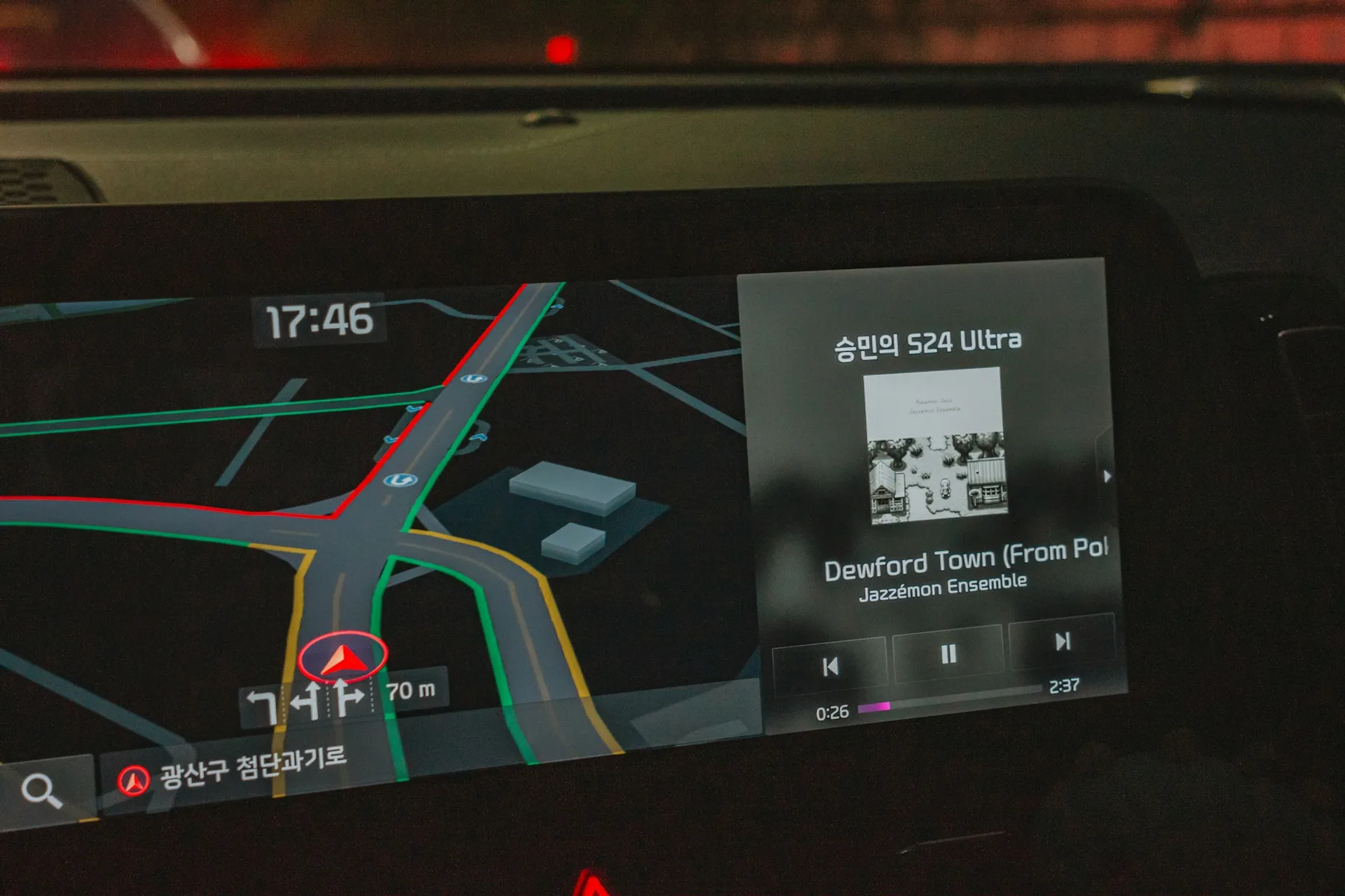
Receiving, decoding, validating and storing are separate stages. Track errors, queue delay and rejection reasons. The operator interface should distinguish current data, delayed data and an unavailable connection. A moving map marker is not proof of fresh information.
Test realistic load patterns
Include mass reconnection, malformed packets, clock drift and delayed messages instead of only a steady stream. Measure API and storage behaviour under these conditions. A small device simulator helps evaluate protocol changes during R&D before a physical fleet is available.