REI / SOLUTIONS

One system. Six engineering disciplines.

Not disconnected services: one end-to-end practice spanning hardware, security, software and field data.

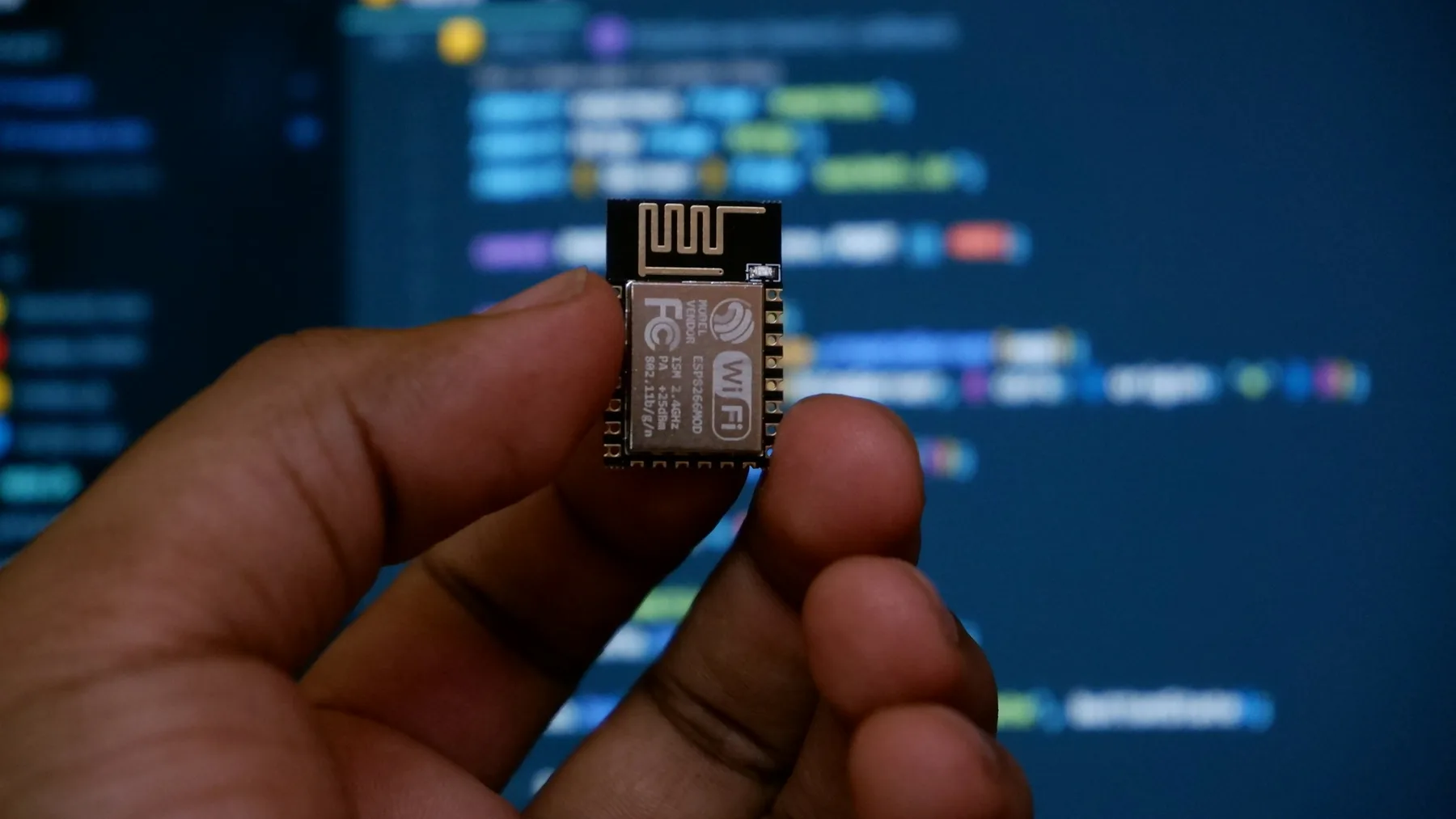
Technical reference imageUnsplash
01

Software engineering

Software that makes system behaviour visible and manageable.

Web and mobile interfaces, APIs, data pipelines, integrations and operational platforms.

How we work

We map user journeys, data sources and system boundaries first. Interfaces, APIs and background jobs are designed as parts of one observable architecture.

What it produces

Testable services, legible interfaces, documented integrations and a software foundation whose behaviour can be monitored in operation.

Engineering layers

Web and mobile applications, APIs, data pipelines, databases, integrations, operations views and deployment.

Critical constraints

Access boundaries, data consistency, intermittent links, latency, existing-system fit and maintenance cost.

How it is validated

Unit and integration tests, interface contracts with real data, failure cases, measurements and rollback rehearsal.
02

Cybersecurity

Security is a design input, not an add-on.

Secure device communication, data flows, access boundaries, updates and operational architecture.

How we work

We apply a threat model to the actual data path from device to cloud. Identity, authorization, secrets, updates and logging become part of the development process.

What it produces

A prioritized risk map, verifiable controls and a secure development workflow that teams can maintain.

Engineering layers

Threat models, identity and access, API boundaries, device communications, secrets, updates and logs.

Critical constraints

Attack surface, key lifecycle, least privilege, physical access and legacy-system limitations.

How it is validated

Control reviews, unauthorized-flow and failure tests, configuration checks and traceable findings.

03

Embedded systems

Hardware and software designed together for field conditions.

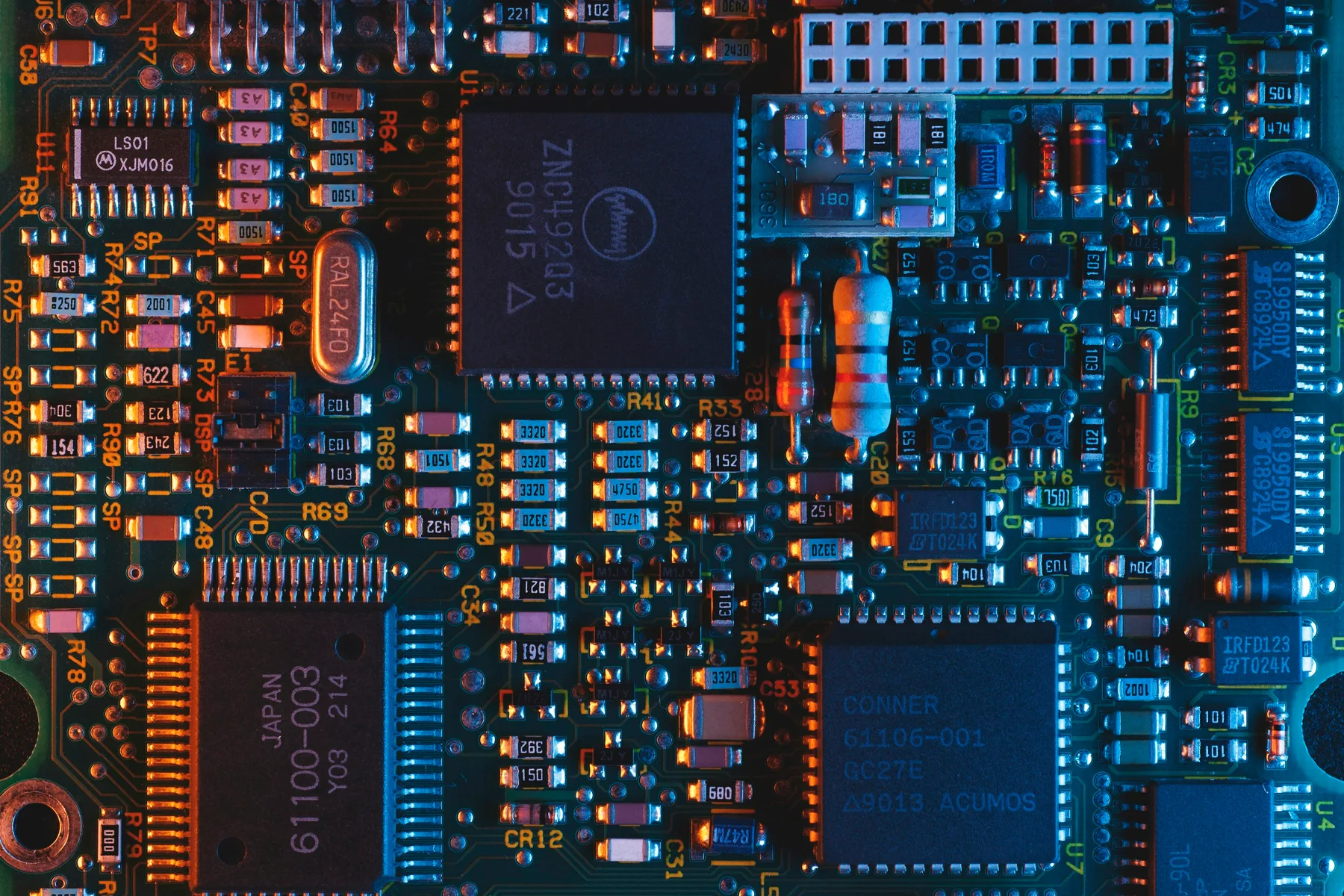
PCB, sensor interfaces, acquisition, communications and embedded software.

How we work

We evaluate sensor choice, sampling, power budget and communications together. PCB and firmware evolve iteratively between lab measurement and field constraints.

What it produces

Schematics and PCB design, prototype firmware, test records and explicit decisions for the next revision.

Engineering layers

MCU firmware, sensor interfaces, analog/digital acquisition, communications, power and PCB integration.

Critical constraints

Sampling time, noise, energy budget, memory, temperature and field service access.

How it is validated

Instrumented signal checks, timing and power measurement, reproducible prototypes and fault-condition tests.

04

R&D and prototyping

We turn uncertain technical questions into measurable experiments.

Proofs of concept, rapid prototypes, test fixtures, low-volume production and iteration.

How we work

We split uncertainty into hypotheses and measurable experiments. Simulation, prototypes and test fixtures examine the same question from different angles.

What it produces

A proof-of-concept prototype, experimental evidence, a risk register and a basis for deciding whether to build or investigate further.

Engineering layers

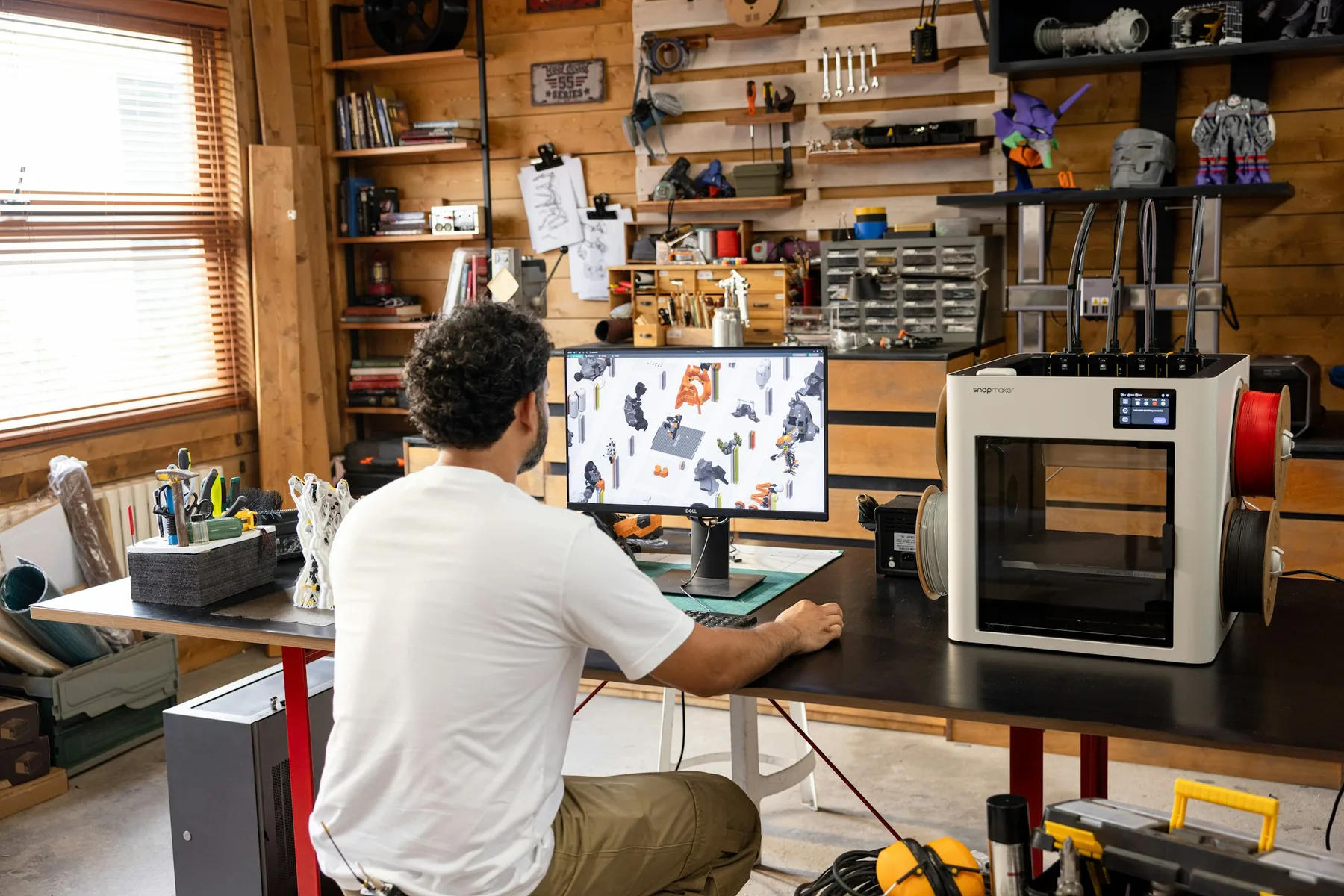
Feasibility, test rigs, PCB prototypes, 3D-printed or machined parts where needed, and measurement software.

Critical constraints

Testable hypotheses, material and manufacturing tolerances, cost and repeatability.

How it is validated

Set success criteria before the experiment; carry results, uncertainty and failed attempts into the next revision.

05

Machinery health

From measurement to interpretation for rotating and critical equipment.

Vibration analysis, condition monitoring, balancing and evaluation of fault indicators.

How we work

We interpret vibration and operating data in the context of the equipment. Sampling, frequency analysis and trend tracking rest on a trustworthy measurement chain.

What it produces

Condition indicators, inspectable measurement records and technical visibility that a maintenance team can interpret.

Engineering layers

Vibration sensors, acquisition, time/frequency analysis, balancing investigation and condition indicators.

Critical constraints

Sensor placement, speed and load changes, sample rate, calibration and measurement uncertainty.

How it is validated

Reference and repeated measurements, comparing suspicious patterns with operating context. A single reading is not a diagnosis.

06

IoT and telematics

From field device to dependable operational data.

GPS/GNSS, sensor systems, connected devices, secure transport and remote monitoring.

How we work

We treat device, connection and platform as one data path. Intermittent links, location accuracy, event timing and integrity are considered from the first architecture.

What it produces

An observable telemetry flow, foundations for device management and meaningful map and event views for operations.

Engineering layers

GNSS and field sensor → device/firmware → secure transport → ingestion → storage → application → operator.

Critical constraints

Coverage gaps, offline queues, duplicate messages, timestamps, device identity and integrity.

How it is validated

End-to-end tests for dropouts, reconnects, late events, inaccurate location and higher data volumes.

REI / METHOD

How we engineer

Projects need not follow one rigid sequence; we treat field conditions, software, data and security as one system.

  1. 01Understand the system and its physical context.
  2. 02Define measurable requirements and success thresholds.
  3. 03Map interfaces, dependencies and failure modes.
  4. 04Build the smallest useful prototype.
  5. 05Instrument it and test boundary conditions.
  6. 06Compare evidence with requirements and iterate.
  7. 07Plan deployment, observability and rollback.
REI / PRINCIPLES

Engineering principles

  • Measure before assuming.
  • Define interfaces explicitly.
  • Treat security as an architectural constraint.
  • Prefer visible failure to silent data corruption.
  • Document decisions and recovery paths.
REI / APPLICATION

Example engineering problems

These are illustrative scenarios, not customer case studies.

  • Acquire vibration data from rotating equipment and interpret it against operating conditions.
  • Let a field device recover from a network outage without losing measurements.
  • Add a secure API integration without rewriting an existing core system.
  • Move a prototype PCB toward a reproducible revision backed by test records.
REI / QUESTIONS

Technical questions

Can you work with an existing system?

Yes. We inspect interfaces, data flow, fault records and immovable constraints first, then agree on a change boundary.

Do you handle hardware and software together?

Where the problem calls for it, we design the sensor, firmware, transport and application layers together.

Can work begin with a prototype or fault investigation?

Yes. A measurable question, available evidence and accessible test conditions are enough to frame a first step.

What should I bring to a first discussion?

A system diagram, existing hardware/software, target outcome, environment, constraints and any fault logs help us evaluate the work.

Explore related engineering notes
ROOTCASTLE / LAB

Engineering without limits.

From the source of a signal to the reasoning behind a decision. Inspect systems, change assumptions and question results.

Explore the engineering lab →

Describe the problem; we will define its boundaries together.

Bring your project to life

Search commands or pages